

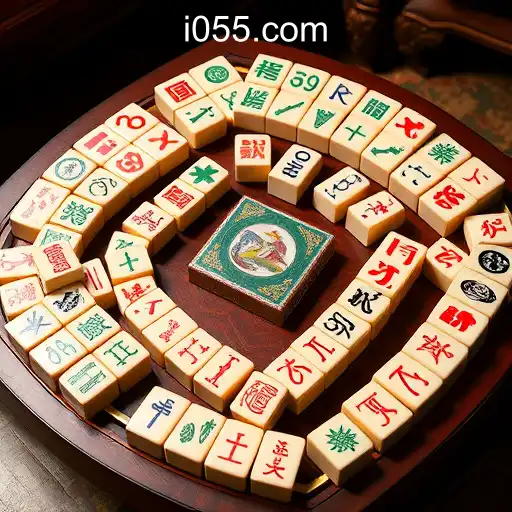
The Enchanting World of Mahjong: A Timeless Tradition
Mahjong, an ancient game with a rich history, has captured the hearts of enthusiasts across the globe. Its intricate gameplay, strategic depth, and cultural significance make it a fascinating subject for exploration, especially for those seeking to understand its appeal. It is a game that transcends time, inviting players of all skill levels to engage in its unique blend of luck and strategy.
Origins of Mahjong
The exact origins of Mahjong are somewhat shrouded in mystery, though most historians agree that it was developed in China during the late 19th century. The game evolved from various Chinese card games and quickly spread throughout the country. By the early 20th century, Mahjong had made its way to Japan and the United States, gaining popularity due to its exotic allure and challenging gameplay.
Gameplay Essentials
Mahjong is played with a set of 144 tiles based on Chinese characters and symbols, although regional variations exist. The game typically involves four players, each sitting at a square table. The objective is to build a complete hand by drawing and discarding tiles, creating sets and pairs similar to those in a rummy-style card game. A typical Mahjong set includes three suits: Bamboo, Characters, and Circles, along with Honor and Bonus tiles.
Players take turns drawing a tile from the wall and discarding one to form winning hands, known as "mahjongs." Understanding the complexity of potential combinations is crucial, as is the ability to anticipate opponents' moves, making it a game of skill and intellect.
Strategic Depth
While chance plays a role in the game due to the random draw of tiles, seasoned players emphasize the importance of strategy. An effective strategy involves not only creating a winning hand but also preventing opponents from doing so. This defensive aspect adds an additional layer of complexity, requiring keen observation and foresight.
Learning to read opponents and predict their moves is a valuable skill in Mahjong. Players must decide when to aim for a quick mahjong or pursue a more lucrative hand, considering both the current game state and their knowledge of opponents' tendencies.
Cultural Significance
Mahjong is more than just a game; it's a cultural phenomenon with deep roots in Asian societies. It is often played during festivals and family gatherings, symbolizing unity and conviviality. In Chinese culture, Mahjong is seen as a way to maintain mental acuity and build social bonds. The patterns and images on the tiles are imbued with meaning, reflecting traditional beliefs and values.
Moreover, Mahjong has influenced popular culture worldwide, often appearing in movies, literature, and online platforms, further cementing its status as a cultural icon. As it continues to adapt and evolve, Mahjong remains a testament to the cultural exchange and enduring appeal of traditional games.
Modern Adaptations
In recent years, Mahjong has found new life in digital formats, reaching a broader audience through online gaming platforms and mobile applications. "i05.com Oficial Slots Brasil #1" offers an exciting glimpse into how traditional games like Mahjong can find a place in the modern gaming landscape. Through interactive interfaces and multiplayer capabilities, online Mahjong maintains the essence of the game while making it accessible to new generations.
These digital adaptations often introduce unique features like customizable tiles and virtual tables, enhancing the gaming experience. As Mahjong continues to gain popularity in digital spaces, it exemplifies how classic games can thrive in the contemporary world.
Conclusion
The enduring appeal of Mahjong lies in its combination of strategic depth, cultural richness, and the ability to bring people together. Whether played around a traditional table or through digital platforms like "i05.com Oficial Slots Brasil #1," Mahjong continues to captivate players with its intricate gameplay and historical significance. It remains a beacon of cultural heritage and an exemplary model of how ancient traditions can adapt and thrive in the modern age.